helps breastfed babies get the daily amount of vitamin D recommended by the American Academy of Pediatrics. In one convenient liquid dose, Enfamil D-Vi-Sol provides 400 IU of vitamin D—an essential vitamin that helps your baby absorb calcium for strong bones and teeth.*
Liquid vitamin D supplement with easy-to-use dropper for breastfed & partially breastfed infants
One liquid dose has 400 IU of vitamin D—the daily amount recommended by the American Academy of Pediatrics
Product may be dispensed directly into the mouth or mixed with breast milk, formula, juice, or foods to encourage acceptance
No artificial flavors or colors
Enfamil is the #1 brand of vitamin drops recommended by pediatricians
Enfamil D Vi Sol Vitamins Liquid is available in a variety of different options to meet your unique needs including 50 mL liquid bottles. If you want to stock up on Enfamil D Vi Sol Vitamins Liquid you can purchase these Toddler Vitamins & Supplements in a case of 12.
*This statement has not been evaluated by the Food and Drug Administration. This product is not intended to diagnose, treat, cure or prevent any disease.
You get peace of mind when you shop with us
Low price guarantee
Found a lower price from another retailer? We'll offer you a discount to match it or beat it.
Happiness guarantee
Not in love with the product you purchased? We'll gladly send you something else to try. Contact us at 1-800-BABY123.
Authenticity guarantee
Delivered directly from the manufacturer.
Serving Size: 1 mL Daily Servings Per Container: 50
Amount Per 1 mL (% Daily Value)VITAMIN D
Infants through 12 months10 mcg/400 IU (100%)
Children 1 through 3 years10 mcg/400 IU (67%)
Preparation and Use
Dispense gently into mouth towards inner cheek; or mix with formula, cereal or other foods.
USE FULL DOSAGE OR AS DOCTOR RECOMMENDS.
Refrigeration not required.
WARNING: As with all medicines, keep out of the reach of children.
DO NOT USE IF PRINTED BOTTLE NECKBAND IS MISSING OR BROKEN.
Vitamin D is an essential vitamin required by the body for the absorption of calcium, bone development, immune functioning and alleviation of inflammation. (1)
A deficiency of Vitamin D can lead to rickets, a weakened immune system, increased cancer risk, poor hair growth and osteomalacia. (1)
Excess vitamin D can cause the body to absorb too much calcium, leading to increased risk of heart disease and kidney stones. (1)
The current U.S. Daily Value (%DV) for vitamin D is 20μg (micrograms) and the toxicity threshold is thought to be 250 to 1000 μg/day. (1)
Sometimes vitamin D values are given in IU (International Units). When this is the case remember that 1μg=40IU for Vitamin D. (1)
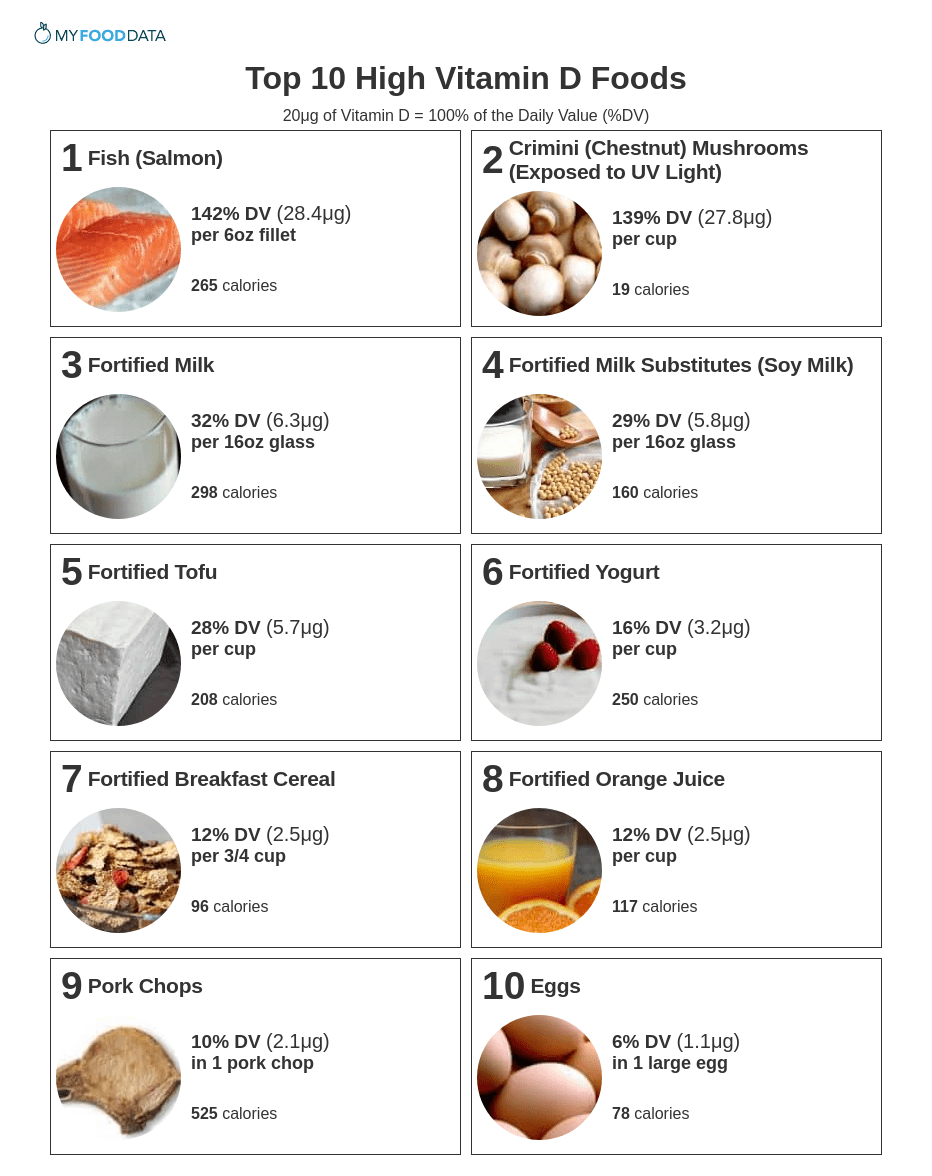
Vitamin D is fat soluble, which means you need to eat fat to absorb it. Foods high in vitamin D include fish, mushrooms exposed to sunlight, fortified milk, fortified milk substitutes, fortified tofu, fortified yogurt, fortified breakfast cereals, fortified orange juice, pork chops, and eggs.
Vitamin D is also made by the body when skin is exposed sunlight and is therefore called the sunshine vitamin. This accounts for approximately 90% of our total vitamin D, with only 10% coming from food. Depending on where you live, 20 minutes of sun exposure a day is enough to meet your vitamin D requirements.
Below is a list of the top 10 foods highest in vitamin D by common serving size, for more see the nutrient ranking of 200 foods high in vitamin D.
Introduction
High Vitamin D Foods
Printable
Foods High in Vitamin D2
Foods High in Vitamin D3
Deficiency Risk Factors
What Fruits and Vegetables are High in Vitamin D?
Warnings
About the Data
Nutrient Ranking Tool
Related
Feedback
References
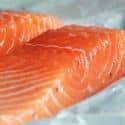
#1: Fish (Salmon)
Vitamin D per 6oz Fillet
Vitamin D per 100g
Vitamin D per 200 Calories
28.4μg (142% DV)
16.7μg (84% DV)
21.4μg (107% DV)
#2: Crimini (Chestnut) Mushrooms (Exposed to UV Light)
Vitamin D per Cup
Vitamin D per 100g
Vitamin D per 200 Calories
27.8μg (139% DV)
31.9μg (160% DV)
290μg (1450% DV)
#3: Fortified Milk
Vitamin D per 16oz Glass
Vitamin D per 100g
Vitamin D per 200 Calories
6.3μg (32% DV)
1.3μg (7% DV)
4.3μg (21% DV)
#4: Fortified Milk Substitutes (Soy Milk)
Vitamin D per 16oz Glass
Vitamin D per 100g
Vitamin D per 200 Calories
5.8μg (29% DV)
1.2μg (6% DV)
7.3μg (36% DV)
#5: Fortified Tofu
Vitamin D per Cup
Vitamin D per 100g
Vitamin D per 200 Calories
5.7μg (28% DV)
2.5μg (13% DV)
5.4μg (27% DV)
#6: Fortified Yogurt
Vitamin D per Cup
Vitamin D per 100g
Vitamin D per 200 Calories
3.2μg (16% DV)
1.3μg (7% DV)
2.5μg (13% DV)
#7: Fortified Breakfast Cereal
Vitamin D per 3/4 Cup
Vitamin D per 100g
Vitamin D per 200 Calories
2.5μg (12% DV)
8.3μg (42% DV)
5.2μg (26% DV)
#8: Fortified Orange Juice
Vitamin D per Cup
Vitamin D per 100g
Vitamin D per 200 Calories
2.5μg (12% DV)
1μg (5% DV)
4.3μg (21% DV)
#9: Pork Chops
Vitamin D in 1 Pork Chop
Vitamin D per 100g
Vitamin D per 200 Calories
2.1μg (10% DV)
1μg (5% DV)
0.8μg (4% DV)
#10: Eggs
Vitamin D in 1 Large Egg
Vitamin D per 100g
Vitamin D per 200 Calories
1.1μg (6% DV)
2.2μg (11% DV)
2.8μg (14% DV)
See All 200 Foods High in Vitamin D
Next ➞
Printable One Page Sheet
Click to Print
Foods High in Vitamin D2
Foods High in Vitamin D3
People at Risk of a Vitamin D Deficiency
Breastfed Infants Who are Not in the Sun - The amount of vitamin D in breast milk depends on the amount of vitamin D in the mother. However, breast-milk typically does not contain adequate amounts of vitamin D. Be sure infants get some exposure to the sun (at least 10-20 minutes per day) to ensure adequate levels of vitamin D. (1)
Older Adults - As skin ages it is less and less able to make vitamin D from the sun, so vitamin D has to be attained from foods or supplements. (1)
People With Little Sun Exposure on the Skin - Wearing sunscreen, or lots of clothing, hampers the production of vitamin D from the sun. (1)
People with Darker Skin - Melanin, a pigment found in skin, reduces the body's ability to manufacture vitamin D from the sun. (1)
People who have Problems Absorbing Fat - Vitamin D is fat soluble, which means it is found in fats, and your body has to be able to digest fats in order for you to absorb the vitamin D. (1)
People Taking Certain Medications
Steroid Corticosteroid medications used to alleviate inflammation can reduce calcium absorption and impair vitamin D metabolism. (1)
Weight-loss drugs with orlistat as well as cholesterol-lowering drugs with cholestyramine can reduce the absorption of vitamin D and other fat-soluble vitamins. (1)
Medicines used to treat epileptic seizures, particularly phenobarbital and phenytoin, interfere with Vitamin D and reduces calcium absorption. (1)
What Fruits and Vegetables are High in Vitamin D?
Vegetables high in vitamin D include mushrooms which have been exposed to sunlight. Other vegan foods high in vitamin D include fortified soy products like tofu, soy milk, and soy yogurt, fortified cereals, and fortified juices.
Unfortunately, no fruits are high in vitamin D, and fortified orange juice is currently the only fruit product commonly sold with vitamin D.
Warnings
Consuming too much vitamin D from food or supplements can lead to anorexia, weight loss, polyuria, heart arrhythmias, kidney stones, and increased risk of heart attacks. Vitamin D cannot reach toxic levels if created naturally from sun exposure. (1)
About the Data
Data for the curated food lists comes from the USDA Food Data Central Repository.
You can check our data against the USDA by clicking the (Source) link at the bottom of each food listing.
Note: When checking data please be sure the serving sizes are the same. In the rare case you find any difference, please contact us and we will fix it right away.
Foods High in Vitamin D
Foods Low in Vitamin D
Vegetarian Foods High in Vitamin D
Dairy High in Vitamin D
Breakfast Cereals High in Vitamin D
Fast Foods High in Vitamin D
View more food groups with the nutrient ranking tool, or see ratios with the nutrient ratio tool.
Cereals High in Vitamin D
Dairy Foods High in Vitamin D
High Calcium Foods
High Calcium Fruits
High Calcium Vegetables
High Vitamin K Foods
High Potassium Foods
feedback
Data Sources and References
Office of Dietary Supplements - Vitamin D
U.S. Agricultural Research Service Food Data Central
MyFoodData provides nutrition data tools and articles to help you organize and understand the foods you eat. Read more...
Vitamin D toxicity may last 2 months or more after therapy is discontinued.
Adequate clinical response to vitamin D therapy is dependent on adequate dietary calcium.
In patients with rickets, the range between therapeutic and toxic doses is narrow in vitamin D–resistant patients; adjust dose based on clinical response to avoid toxicity.
Vitamin D as Nutritional Supplementation
Recommended daily allowance (RDA)
19-70 years: 600 IU (15 mcg)/day
Pregnant or lactating women: 600 IU (15 mcg)/day
Vitamin D as Nutritional Supplementation
Recommended daily allowance (RDA)
19-70 years: 600 IU (15 mcg)/day
Pregnant or lactating women: 600 IU (15 mcg)/day
Vitamin D to Prevent and Treat Osteoporosis
>50 years: 800-1000 IU (20-25 mcg) PO once daily with calcium supplements
Vitamin D to Prevent and Treat Hypoparathyroidism
50,000-200,000 IU (0.625-5 mg) PO once daily with calcium supplements
Vitamin D to Prevent and Treat Vitamin D-Resistant Rickets
12,000-500,000 IU (0.3-12.5 mg) PO once daily
Vitamin D to Prevent and Treat Familial Hypophosphatemia
10,000-60,000 IU (0.25-1.5 mg) PO once daily with phosphate supplements
QUESTION
Next to red peppers, you can get the most vitamin C from ________________.See Answer
What Are Side Effects Associated with Using Vitamin D?
Common side effects associated with using vitamin D include:
Arrhythmias
Confusion
Constipation
Dry mouth
Headache
High levels of calcium in the blood (hypercalcemia)
Lethargy
Metallic taste in the mouth
Muscle or bone pain
Nausea
Sluggishness
Vomiting
This is not a complete list of side effects and others may occur. Call your doctor for medical advice about side effects. You may report side effects to FDA at 1-800-FDA-1088.
What Other Drugs Interact with vitamin D?
If your doctor has directed you to use this medication, your doctor or pharmacist may already be aware of any possible drug interactions and may be monitoring you for them. Do not start, stop, or change the dosage of any medicine before checking with your doctor, health care provider, or pharmacist first.
Vitamin D has known moderate interactions with at least 25 different drugs.
This document does not contain all possible interactions. Therefore, before using this product, tell your doctor or pharmacist of all the products you use. Keep a list of all your medications with you, and share the list with your doctor and pharmacist.
What Are Warnings and Precautions for vitamin D?
Warnings
This medication contains vitamin D. Do not take Drisdol, Calciferol, cholecalciferol, 1,25-Dihydroxycholecalciferol, or ergocalciferol if you are allergic to vitamin D or any ingredients contained in this drug.
Keep out of reach of children. In case of overdose, get medical help or contact a Poison Control Center immediately.
Contraindications
Hypercalcemia
Ergocalciferol (oral): Gastrointestinal (GI), liver, or biliary disease associated with malabsorption of vitamin D analogs
Documented hypersensitivity with drugs that could have allergenic cross-reactivity with ergocalciferol
Effects of Drug Abuse
None.
Short-Term Effects
None.
Long-Term Effects
None.
Cautions
Ergocalciferol: Use with caution in renal impairment (strong caution), heart disease, kidney stones, arteriosclerosis.
Obtain serum calcium twice weekly during titration.
Discontinue if the patient becomes hypercalcemic.
The presence of tartrazine in some products may cause allergic reactions.
Vitamin D toxicity may last >2 months after therapy is discontinued.
Restrict intake in infants with idiopathic hypercalcemia.
Concurrent use of cardiac glycosides.
Adequate clinical response to vitamin D therapy is dependent on adequate dietary calcium.
Maintain normal serum phosphorous concentrations in patients treated for hyperphosphatemia to prevent metastatic calcification.
When treating hypoparathyroidism, concomitant treatment with intravenous calcium, parathyroid hormone, and/or dihydrotachysterol may also be required.
Adults with a body mass index (BMI) greater than 30 kg/m² are at high risk for vitamin D deficiency due to storage of vitamin D in adipose tissue; doses higher than recommended daily allowance may be required but must be carefully monitored to avoid toxicity.
In renal impairment, supplementation with ergocalciferol may be necessary; monitor closely.
In patients with rickets, the range between therapeutic and toxic doses is narrow in vitamin D–resistant patients; adjust dose based on clinical response to avoid toxicity.
Pregnancy and Lactation
Use vitamin D with caution during pregnancy if the benefits outweigh the risks. Animal studies show risk and human studies are not available, or neither animal nor human studies are done. Vitamin D is distributed into breast milk; use with caution while breastfeeding.
SLIDESHOW
Vitamin D Deficiency: How Much Vitamin D Is Enough?See Slideshow